Homemade Pesto Sauce
why make this recipe
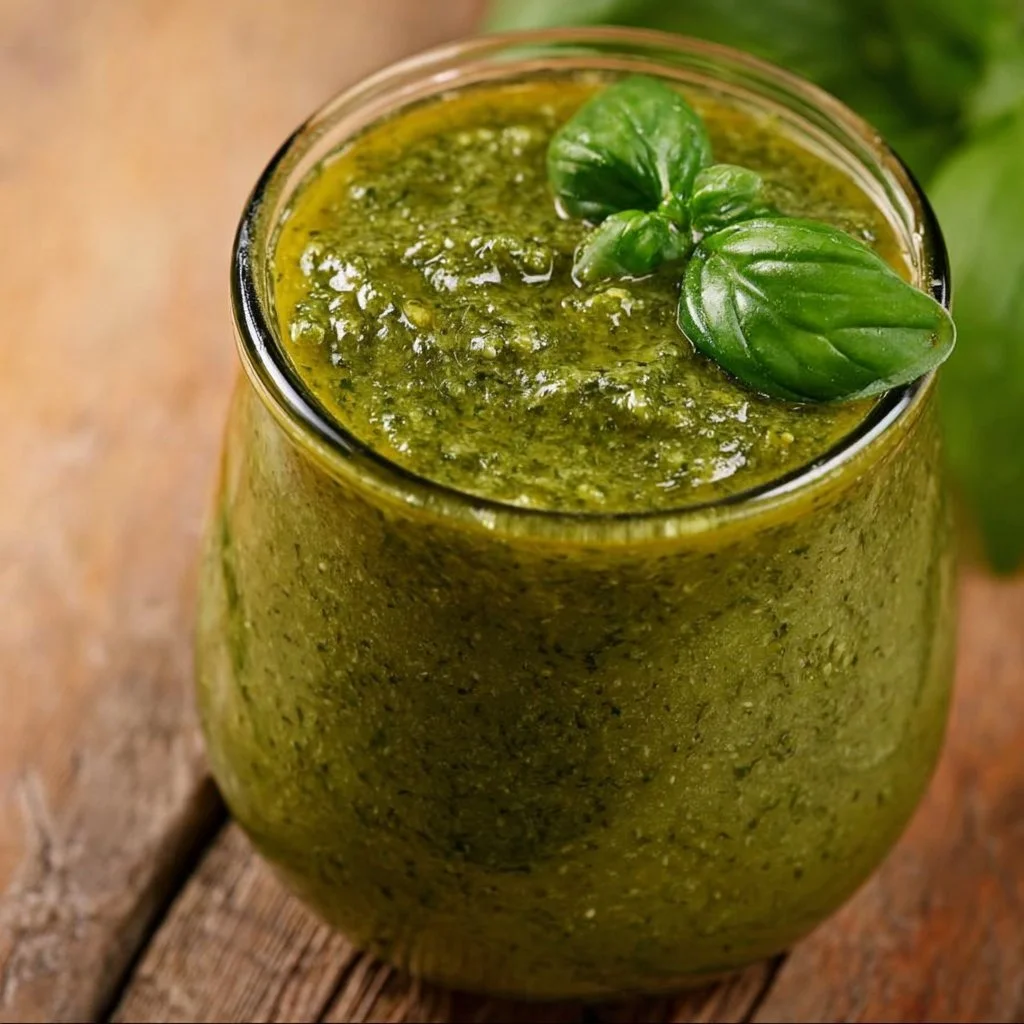
Homemade pesto sauce is a fantastic addition to your cooking repertoire. Making pesto at home not only allows you to control the ingredients, but it also means you’re crafting a fresh, vibrant flavor that’s hard to beat. Store-bought pesto can often be overly salty or filled with preservatives. By preparing it yourself, you can ensure that all your ingredients are high-quality and tailored to your taste. Plus, it’s incredibly easy and quick to whip up, making it an ideal choice for busy weeknights or a gourmet touch on weekends. Homemade pesto can elevate any dish, making it a versatile sauce for pastas, sandwiches, salads, and more.
how to make Homemade Pesto Sauce
Making homemade pesto sauce is as straightforward as gathering a few ingredients and using a food processor. Below are detailed steps to guide you through the process, ensuring your pesto turns out delicious each time.
Ingredients
- 2 cups fresh basil leaves
- 1/2 cup grated Parmigiano-Reggiano cheese
- 1/4 cup pine nuts
- 2 cloves garlic
- 1/2 cup olive oil
- 1/4 cup heavy cream
- Salt and pepper to taste
Directions
-
Combine Ingredients in a Food Processor: Start by placing the fresh basil leaves, grated Parmigiano-Reggiano cheese, pine nuts, and garlic in the bowl of a food processor. This is the base of your pesto, so ensure everything is fresh for the best flavor.
-
Pulse Until Chopped: Put the lid on and pulse the mixture until it is finely chopped. You want the ingredients to break down and blend well but not turn into a paste just yet.
-
Add Olive Oil: While the food processor is running on a low setting, slowly drizzle in the olive oil. This helps to emulsify the pesto and gives it that smooth consistency. Take your time with this step to make sure all the oil incorporates nicely.
-
Stir in Heavy Cream: Once the olive oil is fully incorporated, scoop out the sauce into a bowl. Stir in the heavy cream at this point, which adds creaminess and richness to your pesto.
-
Season: Taste your pesto and add salt and pepper according to your preference. It’s a great opportunity to adjust the seasoning, making it perfect for your palate.
-
Serve: Use the pesto sauce right away over your favorite cooked pasta or store it for later. If serving immediately, toss it with freshly cooked pasta, drizzle over grilled vegetables, or spread it on sandwiches.
how to serve Homemade Pesto Sauce
Homemade pesto sauce can be used in many delightful ways. Here are a few serving suggestions to enhance your meals:
-
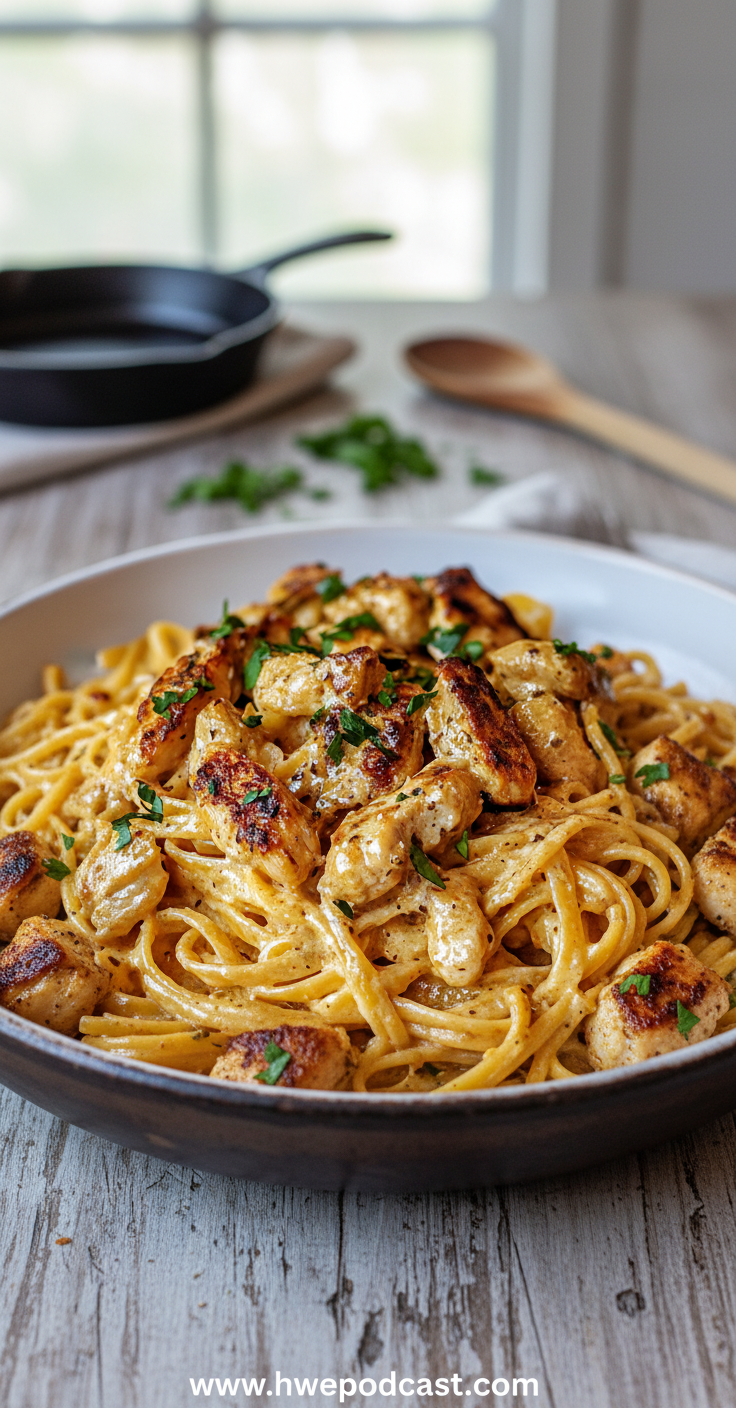
Mixed with Pasta: The most popular way to enjoy pesto is to mix it with your favorite pasta. Cook the pasta according to package instructions, drain it, and then toss with a generous amount of pesto. Top with more grated cheese if desired.
-
On Pizza: Transform a regular pizza night into something special by using pesto as a sauce instead of marinara. Spread a thin layer of homemade pesto on the dough and top with mozzarella and your favorite toppings.
-
In Sandwiches and Wraps: Spread pesto on a sandwich or wrap for added flavor. It pairs wonderfully with turkey, chicken, or fresh vegetables.
-
With Grilled Meat and Fish: Brush pesto over grilled chicken, steak, or fish before serving. The herbal freshness of the sauce complements the smoky flavors perfectly.
-
As a Dip: Serve it as a dip alongside fresh vegetables or crusty bread. Guests will love the fresh taste and vibrant color.
how to store Homemade Pesto Sauce
If you have any leftover pesto sauce, storing it properly is crucial for maintaining its flavor and freshness. Here are some simple tips on how to store your homemade pesto:
-
In the Refrigerator: Place the pesto in an airtight container. To prevent browning, you can pour a thin layer of olive oil on top of the pesto before sealing the container. Homemade pesto can last in the refrigerator for up to a week.
-
In the Freezer: For longer storage, freeze the pesto. Spoon it into ice cube trays and freeze until solid. This way, you can pop out a cube whenever you need a small amount. Transfer the frozen cubes to a freezer-safe bag or container, and it can last for up to three months in the freezer.
-
Thawing Frozen Pesto: When you’re ready to use the frozen pesto, simply take out the desired amount and let it thaw in the refrigerator or at room temperature. You can also microwave it for a few seconds to soften it.
tips to make Homemade Pesto Sauce
To ensure your homemade pesto sauce turns out perfect every time, consider the following tips:
-
Use Fresh Basil: The quality of the basil greatly impacts the flavor of your pesto. Pick fresh, vibrant green leaves with no blemishes. If your basil is wilted or brown, it can lead to a less flavorful sauce.
-
Toast the Pine Nuts: For a deeper flavor, you can toast the pine nuts before adding them to the food processor. Lightly toast them in a dry skillet over medium heat until golden brown, but be careful not to burn them.
-
Adjust the Ingredients: Feel free to experiment with your ingredients. If you prefer a cheesier sauce, increase the Parmigiano-Reggiano. To make it nuttier, you can add more pine nuts or even try using walnuts instead.
-
Choose Your Olive Oil Wisely: Since olive oil is a key ingredient in pesto, it’s worth investing in a good quality extra-virgin olive oil. The taste will make a significant difference in the overall outcome.
-
Avoid Overprocessing: When blending the ingredients, be careful not to overprocess. You want a chunky texture, so stop as soon as everything is combined.
variation
While the traditional basil pesto is widely loved, there are numerous variations you can try to help switch things up:
-
Spinach Pesto: Substitute part or all of the basil with fresh spinach. This adds a different flavor and nutrient profile while maintaining that beautiful green color and creamy texture.
-
Kale Pesto: Using kale instead of basil creates a heartier pesto. Just remember to chop the kale finely before adding it to the food processor.
-
Herb Pesto: Mix in different herbs such as parsley, cilantro, or mint along with or in place of the basil to create unique flavor profiles.
-
Roasted Red Pepper Pesto: Add roasted red peppers for a sweet and smoky twist. Blend one or two roasted peppers into the original recipe for a delightful variation.
-
Nut-Free Pesto: For those with nut allergies, simply omit the pine nuts and try using sunflower seeds or pumpkin seeds to get a similar texture without the nuts.
FAQs
Can I use other nuts besides pine nuts in pesto?
Yes! You can use a variety of nuts such as walnuts, almonds, or pecans. Each nut will give a different flavor profile, so feel free to experiment.
Is pesto sauce vegan?
Traditional pesto is not vegan because it contains cheese. However, you can make a vegan version by omitting the cheese or substituting it with nutritional yeast for a cheesy flavor.
How can I make my pesto sauce less oily?
If you find your pesto too oily, you can simply reduce the amount of olive oil in the recipe. Start with a smaller amount and add more if needed until you reach your desired consistency.
Can I use frozen basil for pesto?
While fresh basil is ideal, you can use frozen basil if it’s the only option available. Just be aware that the flavor may not be as vibrant as using fresh basil.
What can I do with leftover pesto?
Leftover pesto can be used in a variety of dishes. Beyond pasta, you can spread it on sandwiches or wraps, use it as a dip for veggies, or spoon it onto grilled meats or fish for added flavor.
In summary, making homemade pesto sauce is simple, quick, and incredibly satisfying. By following these steps, tips, and variations, you can create a delicious pesto that adds a fresh burst of flavor to many meals. Enjoy the process of crafting this timeless sauce, and relish in the tastes of your culinary creation.