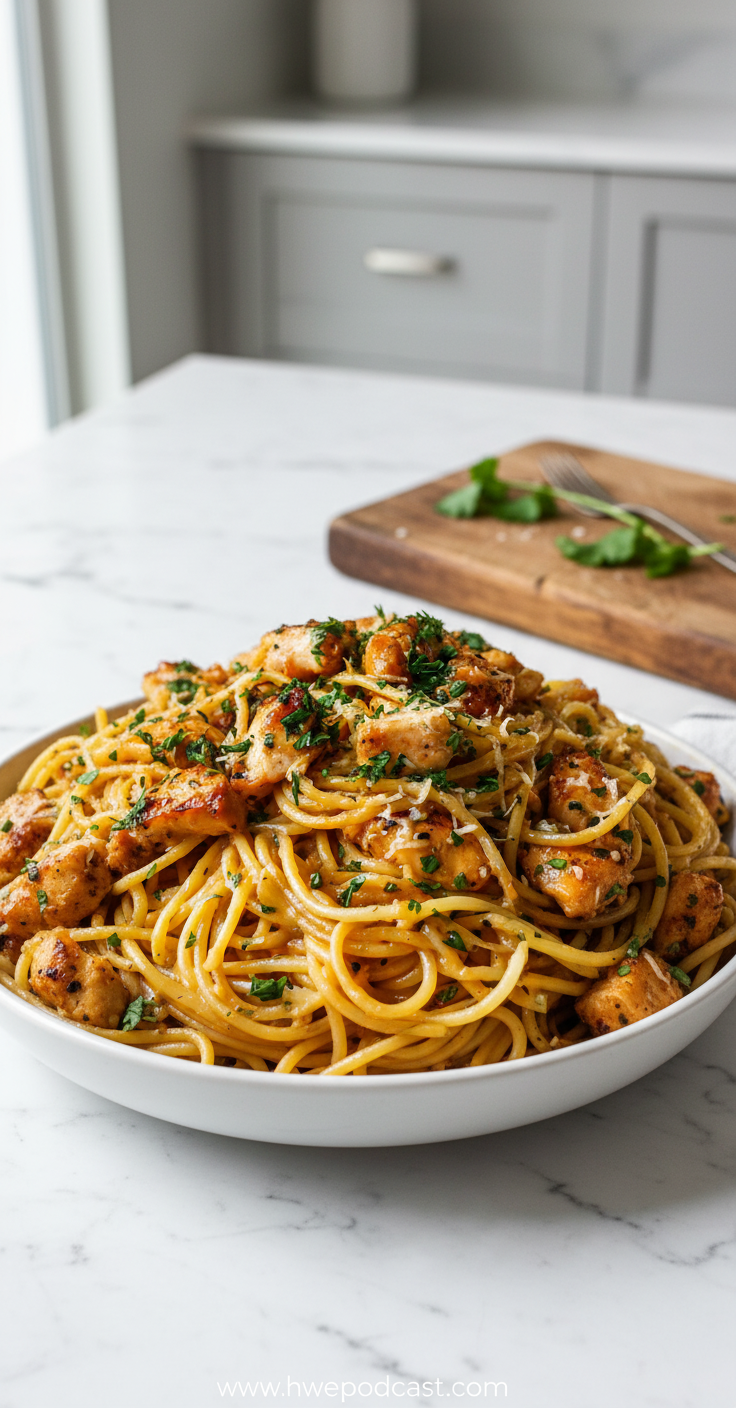
Creamy Tomato Sauce with Hidden Veggies (vegan, gluten free)
Imagine serving your family a rich, velvety tomato sauce that not only tastes incredible but secretly nourishes them with an entire garden of vegetables. This creamy tomato sauce with hidden veggies is the ultimate kitchen magic trick – a vegan, gluten-free masterpiece that transforms ordinary pasta night into a nutrient-packed celebration. The beauty lies in its simplicity: you get that classic comfort food experience while secretly delivering vitamins, minerals, and wholesome goodness to everyone at your table.
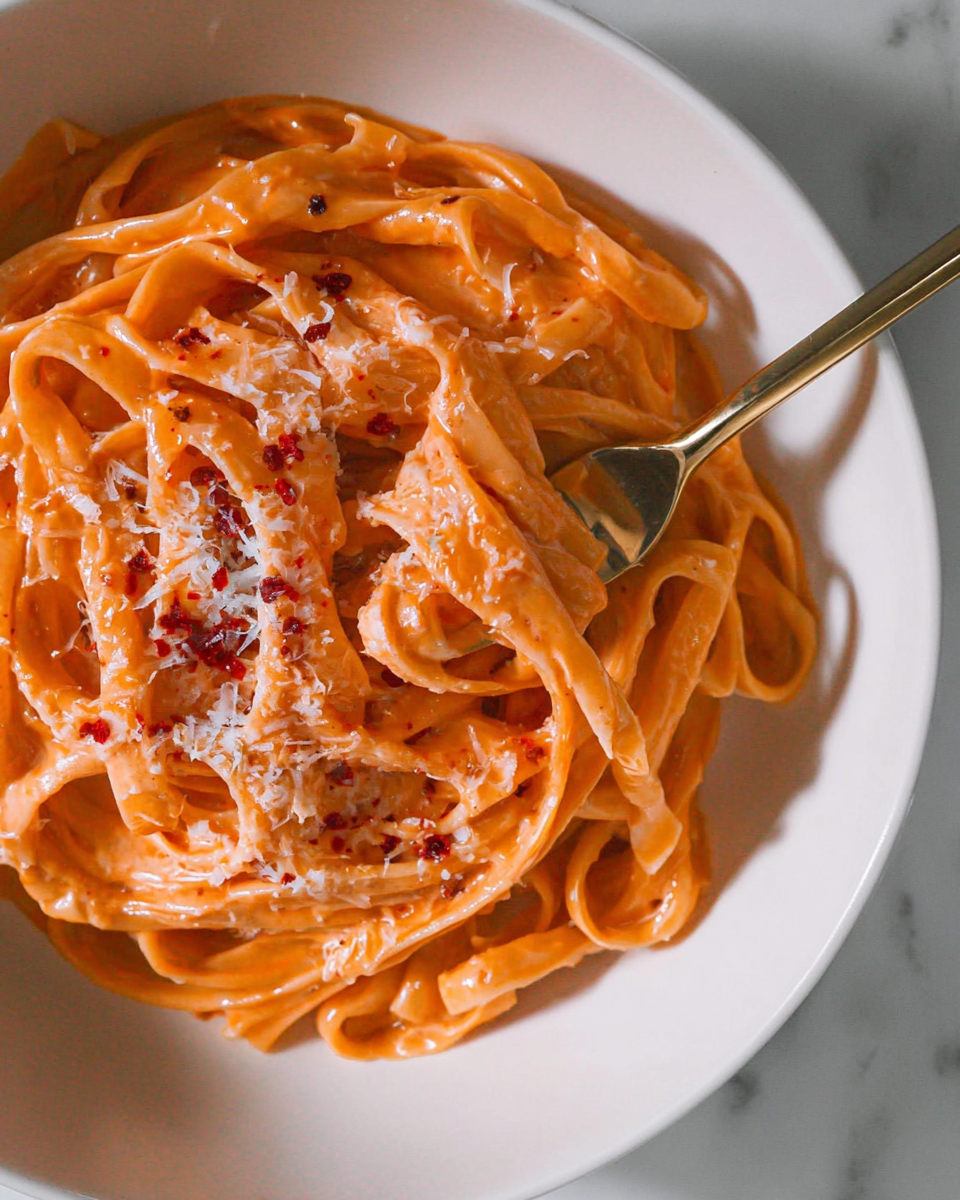
Why Hidden Veggie Sauces Are a Game-Changer
Hidden vegetable sauces have revolutionized family cooking by solving one of the most common kitchen dilemmas: how to get kids (and sometimes adults!) to eat their vegetables without the battle. The concept is brilliant – you puree nutrient-dense vegetables into a smooth, creamy base that blends seamlessly with tomatoes, creating a sauce that looks and tastes traditional while packing a powerful nutritional punch. This approach works particularly well with creamy pasta dishes where the texture needs to be smooth and luxurious.
What makes this method so effective is that it preserves the comforting familiarity of tomato sauce while dramatically increasing its health benefits. You can easily incorporate carrots, zucchini, cauliflower, spinach, and even sweet potatoes without altering the classic flavor profile that everyone loves. This technique is perfect for those following special diets or looking to increase their vegetable intake without sacrificing taste.
The Magic of Creamy Vegan Tomato Sauce
Creating a creamy texture without dairy might seem challenging, but it’s surprisingly simple when you understand the techniques. The secret lies in using the natural creaminess of pureed vegetables combined with smart ingredient choices. When vegetables are cooked until tender and then blended, they release their natural starches and fibers, creating a thick, velvety base that mimics the richness of cream-based sauces.
For optimal creaminess, consider these vegetable combinations:
- Carrots and cauliflower create a sweet, neutral base
- Zucchini and yellow squash add moisture without strong flavors
- Sweet potatoes contribute natural sweetness and thickness
- Butternut squash offers rich color and creamy texture
The beauty of this approach is that you can customize the vegetable blend based on what’s in season or what your family prefers. The vegetables essentially disappear into the sauce, leaving only their nutritional benefits and creamy texture behind.
Perfect Vegetables for Hiding in Tomato Sauce
Not all vegetables work equally well for hidden veggie sauces. The ideal candidates are those that puree smoothly, have neutral or complementary flavors, and cook to a soft consistency. Here are the top performers for creating that perfect creamy tomato sauce:
- Carrots: Their natural sweetness balances tomato acidity
- Cauliflower: Creates incredible creaminess when blended
- Zucchini: Mild flavor and high water content blend seamlessly
- Spinach: Adds nutrients without altering flavor significantly
- Sweet Potatoes: Provide thickness and natural sweetness
- Butternut Squash: Rich color and velvety texture
When preparing these vegetables, roasting them first can enhance their natural sweetness and create deeper flavors. The roasting process caramelizes the natural sugars, which complements the tomato base beautifully. This technique works wonderfully with roasted vegetable combinations that you might already be familiar with from side dishes.
Gluten-Free Considerations for Sauce Making
Creating a gluten-free sauce isn’t just about avoiding wheat-based thickeners – it’s about understanding how to achieve the perfect consistency using naturally gluten-free ingredients. Many traditional sauce recipes rely on flour for thickening, but this hidden veggie approach uses the vegetables themselves as natural thickeners.
The key to gluten-free sauce success lies in proper vegetable preparation and blending techniques. Cook your vegetables until they’re fork-tender, which allows them to break down completely when pureed. Using a high-speed blender creates the smoothest texture, but an immersion blender works well too. The natural pectin and fiber in vegetables act as excellent thickeners, eliminating the need for any gluten-containing ingredients.
Flavor Building Techniques for Rich Tomato Sauce
The secret to a memorable tomato sauce lies in building layers of flavor. Start with a solid foundation of aromatics – onions and garlic sautéed until fragrant but not browned. This creates the flavor base that will carry through the entire sauce. Adding herbs at different stages of cooking also builds complexity.
Consider these flavor-enhancing techniques:
- Sauté aromatics slowly to develop sweetness
- Add dried herbs early in cooking to release their oils
- Incorporate fresh herbs at the end for brightness
- Use tomato paste cooked until it deepens in color
- Balance acidity with a touch of natural sweetness
Pairing Your Creamy Tomato Sauce
This versatile sauce works with more than just pasta! Its creamy, vegetable-rich base makes it perfect for various dishes. Try it over garlic smashed potatoes for a comforting side dish, or use it as a base for vegetable lasagna. The sauce also works beautifully as a dipping sauce for breadsticks or as a topping for pizza.
For pasta pairings, consider these options:
- Gluten-free pasta varieties
- Zucchini noodles for low-carb options
- Whole wheat pasta for extra fiber
- Rice noodles for Asian-inspired dishes
- Polenta or grits as a creamy base
Storage and Meal Prep Strategies
One of the greatest advantages of this hidden veggie tomato sauce is its freezer-friendly nature. The sauce freezes beautifully for up to three months, making it perfect for meal prep. Portion it into freezer-safe containers or ice cube trays for easy use in smaller quantities.
When reheating frozen sauce, thaw it overnight in the refrigerator or gently warm it directly from frozen over low heat, stirring frequently. The creamy texture holds up remarkably well to freezing and thawing, making this an ideal make-ahead solution for busy weeknights.
Nutritional Benefits of Hidden Vegetable Sauces
Beyond the obvious advantage of increasing vegetable consumption, hidden veggie sauces offer specific nutritional benefits. The pureeing process makes the nutrients more bioavailable, meaning your body can absorb them more easily. The combination of tomatoes and other vegetables creates a powerful antioxidant profile, while the fiber content supports digestive health.
This sauce becomes a vehicle for delivering essential vitamins like A, C, and K from the vegetable blend, along with minerals like potassium and iron. The absence of dairy makes it suitable for those with lactose intolerance, while the gluten-free nature ensures it’s accessible to people with celiac disease or gluten sensitivity.
Customizing Your Hidden Veggie Sauce
The beauty of this recipe lies in its adaptability. You can adjust the vegetable ratios based on seasonal availability, personal preferences, or nutritional goals. For a richer sauce, increase the carrot and sweet potato content. For a lighter version, focus on zucchini and cauliflower. The tomato base remains constant, providing that familiar comfort food foundation.
Experiment with different herb combinations – basil and oregano for Italian flair, or thyme and rosemary for earthier notes. You can even add a touch of spice with red pepper flakes for those who enjoy a little heat. The sauce becomes your culinary canvas, allowing for endless creativity while maintaining its core nutritional benefits.
Creating this creamy tomato sauce with hidden veggies represents more than just a recipe – it’s a approach to family cooking that prioritizes both flavor and nutrition. It proves that healthy eating doesn’t have to mean sacrificing the comfort foods we love. With this technique in your culinary toolkit, you can transform ordinary meals into nutrient-packed celebrations that delight every member of your family.
Creamy Tomato Sauce with Hidden Veggies
Ingredients
Equipment
Method
- Heat olive oil in a large pot over medium heat. Add diced onion and sauté until translucent, about 5 minutes.
- Add minced garlic and cook for 1 minute until fragrant. Stir in tomato paste and cook for 2 minutes until it deepens in color.
- Add chopped carrots, cauliflower, and zucchini to the pot. Stir to combine with aromatics.
- Pour in tomato puree and add dried herbs. Season with salt and pepper. Bring to a simmer.
- Reduce heat to low, cover, and simmer for 25-30 minutes until vegetables are fork-tender.
- Remove from heat and let cool slightly. Use an immersion blender or transfer to a blender to puree until smooth and creamy.
- Adjust seasoning if needed and serve over your favorite pasta or use as desired.