
Homemade Pesto Sauce
Homemade Pesto Sauce
Introduction
Homemade Pesto Sauce is a simple yet flavorful addition to many dishes. Originating from Italy, this sauce captures the taste of fresh basil and garlic. Whether you spread it on bread, toss it with pasta, or use it as a marinade, pesto brings a burst of fresh flavor. Making it at home is easy, and the ingredients are often readily available in your kitchen or local market.
Why Make This Recipe
Making homemade pesto sauce is worthwhile for several reasons. First, it offers a taste that is far superior to store-bought versions. When you make pesto from scratch, you have complete control over the freshness and quality of the ingredients. This means you can customize the flavors to suit your preferences.
Moreover, homemade pesto is a versatile sauce. It can enhance the flavor of many dishes, from pasta and sandwiches to soups and salads. By preparing your own pesto, you can also avoid preservatives and additives that are often found in commercial brands. Additionally, it is a quick recipe; you can whip it up in just a few minutes.
How to Make Homemade Pesto Sauce
Making homemade pesto sauce is straightforward. Follow the steps below to create your own batch.
Ingredients
- 2 cups fresh basil leaves
- 1/2 cup Parmigiano-Reggiano cheese, grated
- 1/2 cup olive oil
- 1/4 cup pine nuts (optional)
- 2 cloves garlic
- Salt and pepper to taste
- Splash of cream
Directions
-
Prepare Your Ingredients: Start by washing your basil leaves thoroughly. Pat them dry with a clean kitchen towel or let them air dry.
-
Combine Ingredients: In a food processor, combine the clean basil leaves, grated Parmigiano-Reggiano cheese, optional pine nuts, and peeled garlic cloves.
-
Chop the Mixture: Pulse the mixture in the food processor until the ingredients are finely chopped. You want the mixture to be well blended but not turned to mush.
-
Add Olive Oil: With the food processor running, slowly drizzle in the olive oil. This helps to emulsify the ingredients and create a smooth sauce.
-
Season the Pesto: Next, add salt and pepper to taste. Seasoning is important, so don’t skip this step.
-
Add Cream for Creaminess: If you want your pesto to be creamier, add a splash of cream and blend again. This step is optional, but it adds a nice richness to the sauce.
-
Taste and Adjust: Once blended, taste your pesto. If needed, adjust the seasoning by adding more salt, pepper, or even a bit more cheese for added flavor.
-
Store or Serve: You can use your pesto immediately or store it in an airtight container for later use.
How to Serve Homemade Pesto Sauce
Homemade pesto sauce can be served in a variety of delicious ways. Here are a few ideas:
-
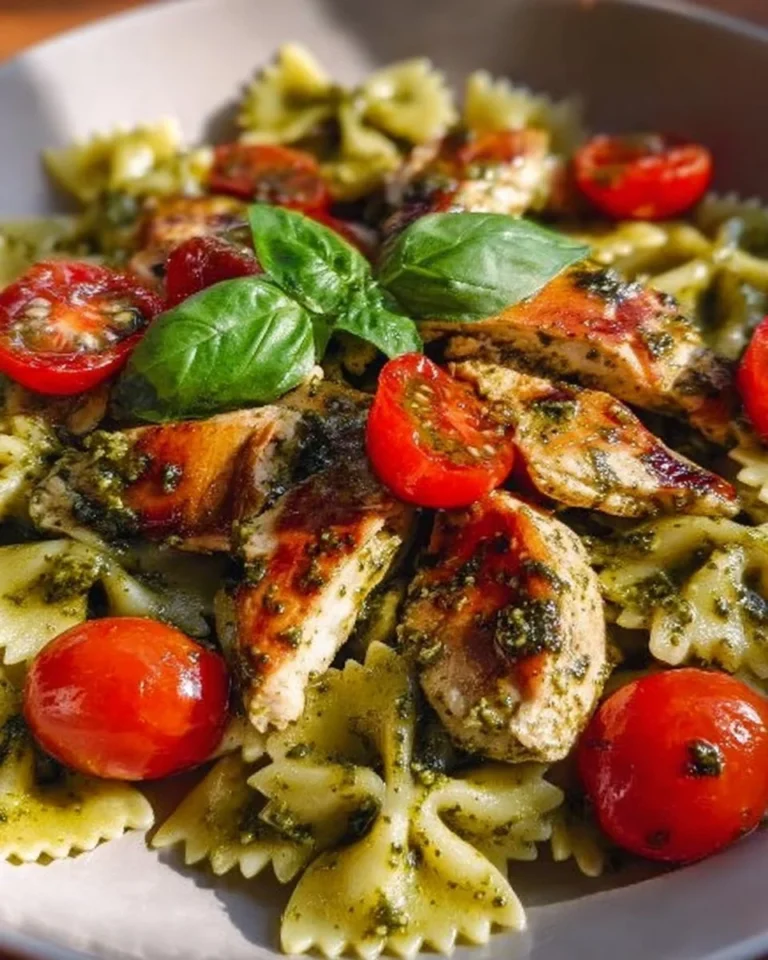
Pasta: Toss it with cooked pasta for a quick and flavorful meal. It works well with any type of noodle, from spaghetti to penne.
-
Spread or Dip: Use pesto as a spread on sandwiches or toast. It pairs nicely with grilled vegetables and cheeses, adding depth to your lunch.
-
Salad Dressing: Mix pesto into salad dressings for added flavor. You can thin it out with a little vinegar or additional olive oil to achieve your desired consistency.
-
Marinade: Use the pesto as a marinade for chicken, fish, or vegetables before grilling or roasting. This infuses your dishes with fresh aromatic flavors.
-
Savory Dishes: You can use pesto in soups, casseroles, or even as a topping on pizza for an Italian twist.
How to Store Homemade Pesto Sauce
Storing homemade pesto sauce properly is essential for maintaining its fresh flavor and vibrant color. Here are some storage tips:
-
Refrigeration: If you plan to use the pesto within a few days, store it in an airtight container in the refrigerator. Make sure to cover the surface with a thin layer of olive oil to help prevent oxidation.
-
Freezing: For longer storage, pesto can be frozen. Pour the pesto into ice cube trays, cover it, and freeze. Once frozen, pop the cubes out and transfer them to a freezer-safe bag or container. This way, you can thaw small amounts as needed.
-
Thawing: When you’re ready to use frozen pesto, simply transfer the amount you need to the refrigerator to thaw overnight or let it sit at room temperature for about an hour. Stir well before use.
Tips to Make Homemade Pesto Sauce
-
Fresh Ingredients: Always use fresh herbs, as they provide the best flavor. Avoid using wilted or old basil leaves.
-
Grated Cheese: Use high-quality Parmigiano-Reggiano cheese for the best flavor. You can also try using Pecorino Romano for a stronger taste.
-
Nut Alternatives: If you don’t have pine nuts or prefer not to use them, try substituting with other nuts like walnuts or pecans.
-
Customize It: Feel free to adjust the garlic, cheese or nuts based on your taste. More garlic gives a bolder flavor, while less cheese can make it lighter.
-
Texture Preference: If you prefer a chunkier pesto, pulse the mixture less to keep it coarse. For a smooth texture, blend it longer.
Variation
While the classic basil pesto is always a hit, you can try various variations to keep things exciting:
-
Sun-Dried Tomato Pesto: Replace half of the basil with sun-dried tomatoes for a rich and tangy flavor.
-
Spinach Pesto: If you’re looking for a change, use fresh spinach leaves mixed with basil.
-
Kale Pesto: For a healthier option, kale works well in pesto. It has a different texture but packs a nutritious punch.
-
Roasted Garlic Pesto: Roasting the garlic before adding it to the mix mellows its sharpness and adds depth.
-
Vegan Pesto: Omit cheese and use nutritional yeast instead for a vegan version. Add nuts for creaminess.
FAQs
1. How long does homemade pesto last in the refrigerator?
Homemade pesto can last about 5 to 7 days in the refrigerator. Make sure to store it in an airtight container and cover the top with a thin layer of olive oil to help maintain freshness.
2. Can I use other herbs besides basil?
Yes! You can use other herbs like parsley, cilantro, or arugula. Each herb gives a different flavor, so feel free to experiment.
3. Is it necessary to use pine nuts?
No, pine nuts are optional. You can use other nuts like walnuts, almonds, or skip them entirely if you prefer a nut-free pesto.
4. Can I make pesto without a food processor?
Yes, you can use a mortar and pestle for a more traditional approach. It may take more effort, but it allows for more control over the texture.
5. Is it possible to make pesto without garlic?
Absolutely! If you don’t want garlic, you can leave it out. The pesto will still be flavorful with just herbs, cheese, and olive oil.
With these insights and instructions, you are well on your way to making your own Homemade Pesto Sauce. Enjoy the vibrant flavors and versatility it brings to your meals!